


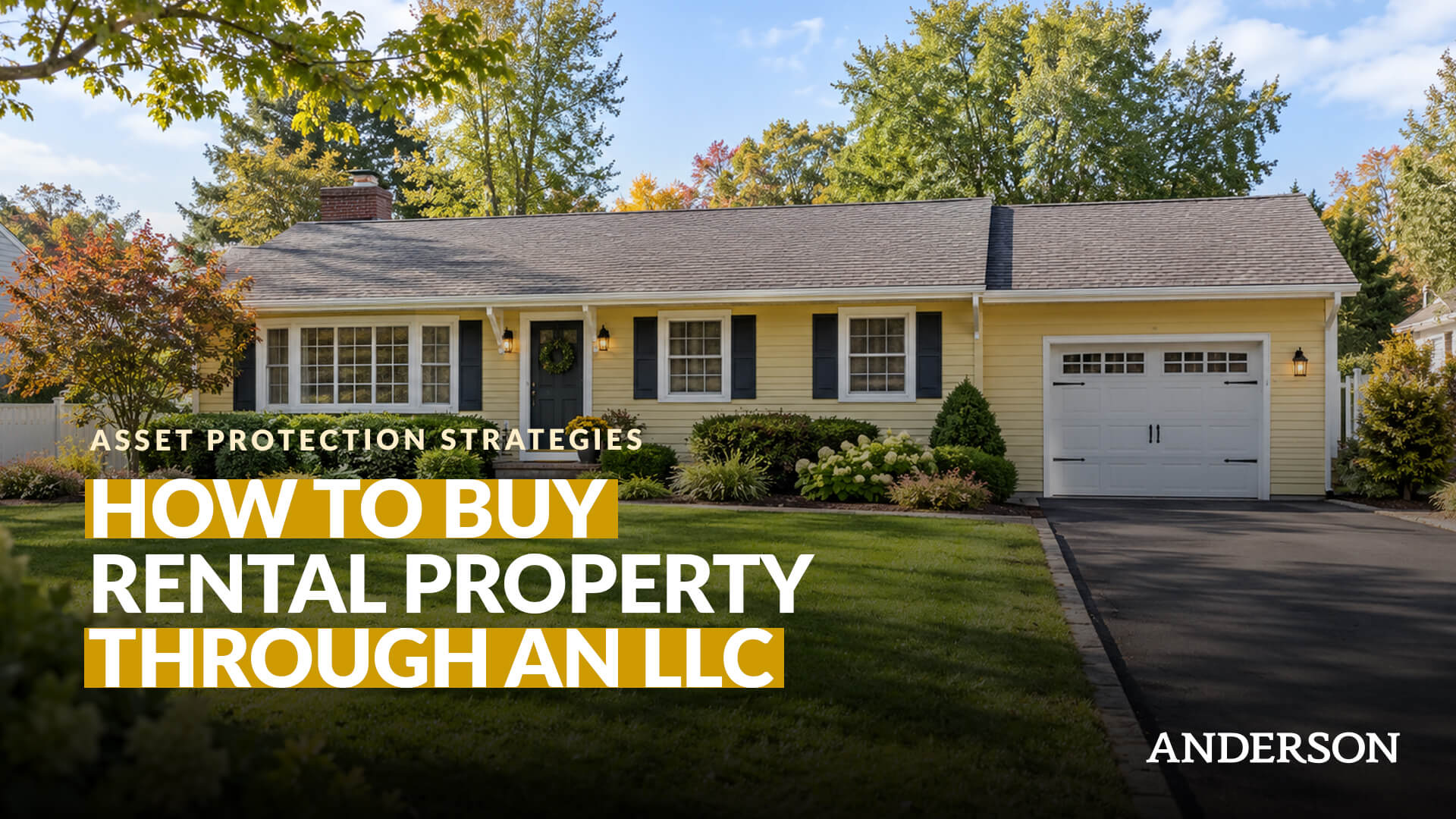
If you’re buying your next rental property through a limited liability company (LLC), whose name should go on the purchase agreement, loan, and deed?
You might assume the LLC belongs on all three. But that’s not always how real estate transactions work.
I’ve seen real estate investors form an LLC, submit an offer in the company’s name, and then discover their lender won’t finance the purchase unless they buy the property personally.
Now they’re scrambling to change the purchase agreement, satisfy the lender, and keep the deal from falling apart.
And even if they successfully close in the LLC, they can create liability problems by failing to update their insurance, leases, and bank accounts.
Buying investment property with an LLC requires more than forming a company and putting its name on the deed.
You need to understand how the purchase agreement, financing, and title work together.
Let’s walk through the process I recommend, from making your first offer to collecting your first rent check.
Request a free consultation with an Anderson Advisor
At Anderson Business Advisors, we’ve helped thousands of real estate investors avoid costly mistakes and navigate the complexities of asset protection, estate planning, and tax planning. In a free 45-minute consultation, our experts will provide personalized guidance to help you protect your assets, minimize risks, and maximize your financial benefits. ($750 Value)
Key Takeaways
- Your purchase agreement, loan, and deed don’t necessarily need to list the same buyer or borrower.
- Adding “and/or designated entity” to your offer may provide flexibility when you haven’t set up your LLC.
- Portfolio and DSCR lenders may allow you to buy rental property with an LLC.
- Transferring property to an LLC after closing can create financing complications if the property has an existing mortgage.
- Insurance, separate bank accounts, and accurate bookkeeping help maintain your LLC’s liability protection.
Watch my video to learn how I invest in real estate with an LLC.
Should You Buy Investment Property in Your Name or an LLC?
If you’re purchasing rental property, I generally recommend considering an LLC as part of your asset protection strategy.
Imagine a tenant suffers a serious injury at your rental and obtains a judgment exceeding your insurance coverage.
If you own the property personally, a lawsuit could put your savings and other personal assets at risk.
A proper LLC for rental property creates legal separation between you and the rental business. Generally, liabilities arising from the real estate investment remain with the LLC rather than automatically becoming your personal obligations.
However, an LLC won’t protect you from every lawsuit, personal guarantee, or claim involving your own negligence.
That’s why how you establish and operate the legal entity matters just as much as putting the property in its name.
How Do Investors Buy Real Estate With an LLC?
When advising investors on buying investment property with an LLC, I focus on three documents:
- Purchase agreement: Identifies who agrees to buy the property.
- Loan: Establishes who borrows the money and must repay it.
- Deed: Determines who legally owns the property after closing.
The same name doesn’t necessarily need to appear on all three.
Your LLC might own the property and borrow the money while you personally guarantee repayment.
Understanding these differences before submitting an offer can prevent closing complications.
Should You Put Your LLC on the Purchase Agreement?
If you’ve formed your LLC and confirmed that your financing permits entity ownership, you can generally submit your offer in the company’s name.
But what if you find an investment opportunity before establishing your LLC?
Submit the offer in your individual name with the language:
Clint Coons and/or designated entity
This communicates that you may designate another entity to complete the purchase, giving you time to establish your LLC.
However, the language doesn’t automatically guarantee that right. Your contract, seller, and lender must permit the arrangement.
Where Should You Form Your LLC?
If you exclusively invest in Colorado, forming a Colorado LLC may be the most straightforward approach.
For investors purchasing properties across multiple states, I often consider Wyoming because of its LLC laws and ownership flexibility.
However, a Wyoming LLC buying property elsewhere may need to register in that state.
Depending on your portfolio, separate property-level LLCs may make more sense.
The right structure depends on where you invest, your liability exposure, and your long-term plans.
Can You Get a Mortgage When Buying Real Estate With an LLC?
Yes, but not every lender permits LLC ownership.
I’ve seen investors put their LLC on the purchase agreement, only to discover that their conventional lender requires them to purchase the property personally.
Now they need to amend the agreement, secure the seller’s cooperation, and potentially delay the closing.
That’s why I recommend confirming your financing before making an offer.
What Types Of Lenders Allow LLC Ownership?
Two options I frequently suggest are:
Portfolio lenders: Some community banks keep loans on their own books, giving them flexibility to finance LLC-owned properties.
DSCR lenders: Debt service coverage ratio lenders generally focus on a rental property’s income relative to its debt obligations. Many allow LLC ownership.
However, both have their own underwriting requirements.
Will You Need to Personally Guarantee the Mortgage?
Often, yes.
Your LLC may hold title while you personally guarantee the loan.
If the LLC defaults and the sale of the property doesn’t cover the outstanding debt, the lender may pursue you for the difference.
An LLC doesn’t automatically eliminate your personal obligations to a lender.

What Documents Do You Need to Close in an LLC?
Lenders may request four documents before closing:
- Articles of Organization: Verify your LLC’s formation.
- Operating Agreement: Establish how the company operates and who manages it.
- Certificate of Good Standing: Confirms the company’s active status with the state.
- LLC Resolution: Authorizes the purchase, financing, and designated signers.
When preparing operating agreements, I often include language identifying the LLC’s purpose as acquiring, owning, leasing, refinancing, and selling a specific property.
This can help address lender concerns about unrelated business activities.
Have your documents ready and properly signed before closing.
What if Your Lender Won’t Let You Close in an LLC?
With some conventional loans, you may need to purchase the property personally and consider transferring it into an LLC afterward.
But don’t automatically record a new deed.
Many mortgages contain a due-on-sale clause, which may allow the lender to demand repayment following an unauthorized transfer.
I suggest waiting approximately 30 to 60 days before considering a transfer.
However, waiting doesn’t eliminate the due-on-sale risk.
You should also review potential property tax, insurance, and title consequences before transferring ownership.
Can You Use a Land Trust Instead?
A land trust is another option when you cannot close directly in an LLC.
The trustee holds legal title while a beneficiary holds the beneficial interest. In some structures, an LLC may hold that beneficial interest.
Land trusts can offer privacy and ownership-planning advantages.
However, transferring property into a trust or assigning its beneficial interest can raise lender and legal issues. Federal due-on-sale protections apply only to qualifying transfers.
Have an attorney review the arrangement before making changes.

What Should You Do After Closing on Property in an LLC?
Getting your LLC onto the deed isn’t the final step.
I’ve seen investors establish the right ownership structure, only to undermine it by continuing to manage their rentals personally.
Here’s what I recommend.
1. Update Your Insurance
Make sure your insurance provider accurately identifies the LLC and provides appropriate coverage.
Don’t assume a policy issued in your personal name automatically covers the company.
2. Review Your Leases
Your leases should identify the appropriate landlord or management arrangement.
Notify existing tenants about ownership changes and updated payment instructions as required by law.
3. Establish Proper Banking
Rental income belongs to the entity that owns the property.
Maintain appropriate business bank accounts and avoid depositing rent into your personal checking account.
Commingling funds can undermine your LLC’s legal separation.
4. Maintain Accurate Bookkeeping
Track rental income, expenses, mortgage payments, and owner distributions.
Accurate records help demonstrate separation between entities and make financing and tax preparation easier.
5. Coordinate With Your Property Manager
If you use professional management, make sure your manager understands which LLC owns the property and properly accounts for its rental income.
Your ownership documents, insurance, banking, and property management practices should reflect the same structure.
Frequently Asked Questions
Can You Buy Real Estate With a Newly Formed LLC?
Yes. Once you file Articles of Organization with the state and establish your LLC, you can generally purchase property, provided you meet the seller’s, lender’s, and title company’s requirements.
Will You Pay Higher Interest Rates When Buying Property With An LLC?
Possibly. LLC loans often have higher interest rates and down payments than conventional mortgages. However, these loans may allow you to qualify based on rental income and buy directly through an LLC to help protect your personal assets. Weigh those benefits against higher borrowing costs and potential personal guarantees.
Does Buying Investment Property With an LLC Change Your Taxes?
Not necessarily. LLCs generally use pass-through taxation, meaning the owners report income on their personal tax returns. The IRS typically treats a single-member LLC as a disregarded entity, while multi-member LLCs generally file a partnership return and pass income or losses through to their owners. Different rules apply if the LLC elects corporate taxation.
Can One LLC Own Multiple Rental Properties?
Yes. An LLC can help protect your personal assets from rental-related liabilities, but a lawsuit involving one property could put other properties held in the same LLC at risk. Separate LLCs can provide better liability protection for each property.
Build Your LLC Strategy Before Making Your Next Offer
Buying real estate with an LLC can help protect your rental portfolio, but only when you coordinate the purchase agreement, financing, ownership, and day-to-day operations.
I’ve seen investors establish a good structure only to undermine it through poor banking practices, inadequate insurance, or transfers that create financing problems.
Those are mistakes you can often avoid with proper planning.
Schedule a complimentary 45-minute Strategy Session with Anderson Advisors. Your advisor will review your rental ownership, identify potential liability exposure, and start building a personalized asset protection strategy.