







10 Things Investors & Homeowners Need to Know
There are a number of regulations and guidelines that homeowners and investors alike should know when buying property and preparing to pay Orange County, CA, property taxes. Being aware of how Orange County assesses and collects property taxes is essential for property owners to understand their tax bills.
This information is important to know before you invest. Understanding the process will make paying your property taxes much easier, whether you decide to do the bulk of the process online or in person.

How to Pay Orange County Property Taxes

When California Property Taxes are Due

How to Calculate Property Taxes for Your Property

Can Property Taxes be Paid Online or with Cash?

How California Property Taxes are Calculated

Factors that Contribute to Changes and Fluctuations in the Property Tax Base

Who Qualifies for an Exemption on Property Taxes in Orange County?

What to Do if You Think the Appraised Value of Your House Is Too High

How to File for Deductions and the Homestead Credit

How to File a Property Tax Appeal in Orange County, CA
There are a number of regulations and guidelines that homeowners and investors alike should know when buying property and preparing to pay Orange County, CA, property taxes. Being aware of how Orange County assesses and collects property taxes is essential for property owners to understand their tax bills.
This information is important to know before you invest. Understanding the process will make paying your property taxes much easier, whether you decide to do the bulk of the process online or in person.
FEATURED IN






1. How to Pay Orange County Property Taxes
Your Orange County property taxes can be paid online at tax.ocgov.com. You will be prompted to enter your home address or tax default number. This is a secure way to pay your property taxes and will not put your information at risk. You can also pay your unsecured property taxes on this website. Property taxes can be paid in person at the treasurer-tax collector’s office in Santa Ana.
2. How to Calculate Property Taxes for Your Property
Property in Orange County, CA, is taxed at a rate of 0.72 percent. This means that a home valued at $250,000 will pay about $1,788 in property taxes in a given year. To calculate your annual property tax, multiply your home value by 0.72 to get a rough estimate. There are also online calculators that can give you an estimate of your property taxes.

3. How California Property Taxes are Calculated
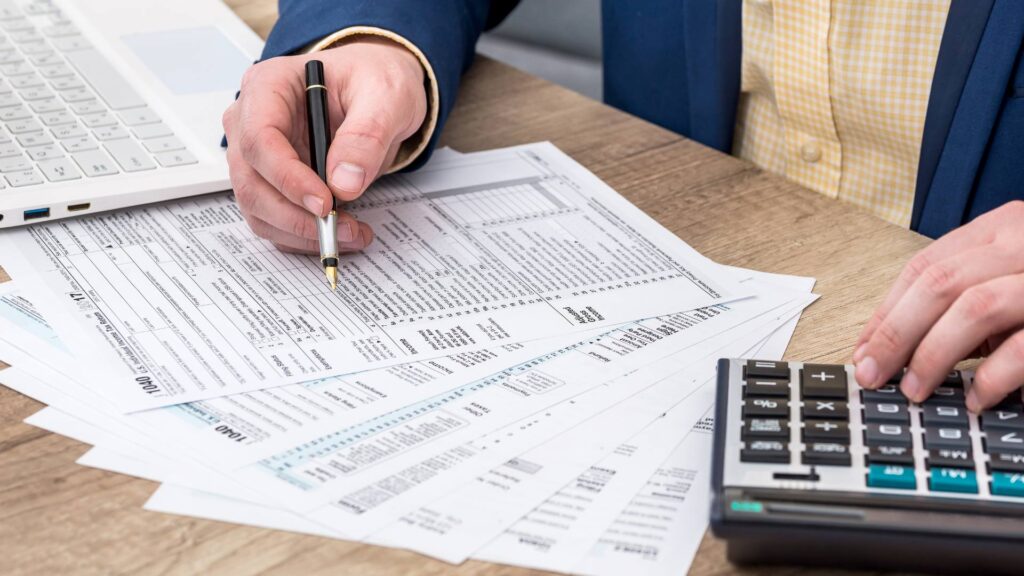
In California, property taxes are applied to both real estate and personal property. Property such as boats and portable machinery and equipment are considered personal. California’s tax calculations are regulated by the state government but collected by the county. California’s Proposition 13 outlines the process for calculating property taxes. Proposition 13 stipulates that property taxes are determined by multiplying the tax-assessed value of a property, or ad valorem taxes, with the state tax rate. The state’s standard tax rate is 1 percent. This means that property owners pay 1 percent of their property’s value in real estate taxes.
In California, the assessed value of a property cannot increase more than 2 percent annually. The County Board of Assessors completes reassessments at the start of every year. Usually, values increase by 2 percent, meaning property owners are taxed on 1 percent of the new property value. Improvements and renovations are also factored into the new value. Tax values can change throughout the year, depending on your district and when new construction was finished. This means renovations completed nine months into the year will result in a different tax value for the final three months of the year, something to consider as you are tax planning.
4. Who Qualifies for an Exemption on Property Taxes in Orange County?
Some property owners are exempt from property taxes in Orange County. People who may qualify for a homeowners’ exemption include those who own their property and occupied it since January 1 of the tax year and submit a completed application. Qualifying property owners will have $7,000 of their property’s value exempted from taxation. Be aware, however, that homeowners’ exemption applications are not available online. The Orange County property appraiser sends applications in the mail to new taxpayers.
You may apply for this exemption if you do not already have it for any other property or parcel of land. The deadline for filing for the full $7,000 exemption is February 15 at 5 pm. After February 15 (but before December 10), qualified applicants may receive 80 percent of the original exemption amount. If you are unsure if you qualify for an exemption, talk to a professional tax expert about ways you can minimize your tax liabilities.
If you cease to own and occupy your property as the principal place of your residence, you are required by local government regulations to cancel your exemption. This requires writing to the Orange County assessor of property tax or using the termination form included in your Orange County property tax bill. Specify the date you moved or stopped owning the property and list your new address.


5. How to File for Deductions and the Homestead Credit
New homeowners will receive an application within 90 days of recording the deed sale. Homeowners should complete the form and promptly mail it back. The exemption does not need to be reapplied every year. As long as you own and occupy the residence, the exemption is applied automatically. The only time you may be required to reapply is if a document is filed which changes how the title is held. Orange County property tax records can be found in the local recorder’s office.
6. When California Property Taxes are Due
There are several dates to remember as a property holder in California. Neglecting to pay your property taxes in a timely manner can have serious consequences, so make sure you are aware of these dates. August 31 is the deadline for unsecured taxes, with a 10 percent late fee added the next day. Initial installments of secured property taxes are due on November 1.
Many people seeking financial independence are able to pay off their mortgage early and fully own their home. But it’s important to be aware that property taxes are still due each year. If you do not pay on time, you will continue to receive 1.5 percent late fees until you pay your remaining balance. After December 10, a late fee of 10 percent will apply to any payments on initial installments. Second installments for secured property taxes are due on February 1, with a 10 percent late fee plus $10 applied after April 10.

7. Can Property Taxes be Paid Online or with Cash?
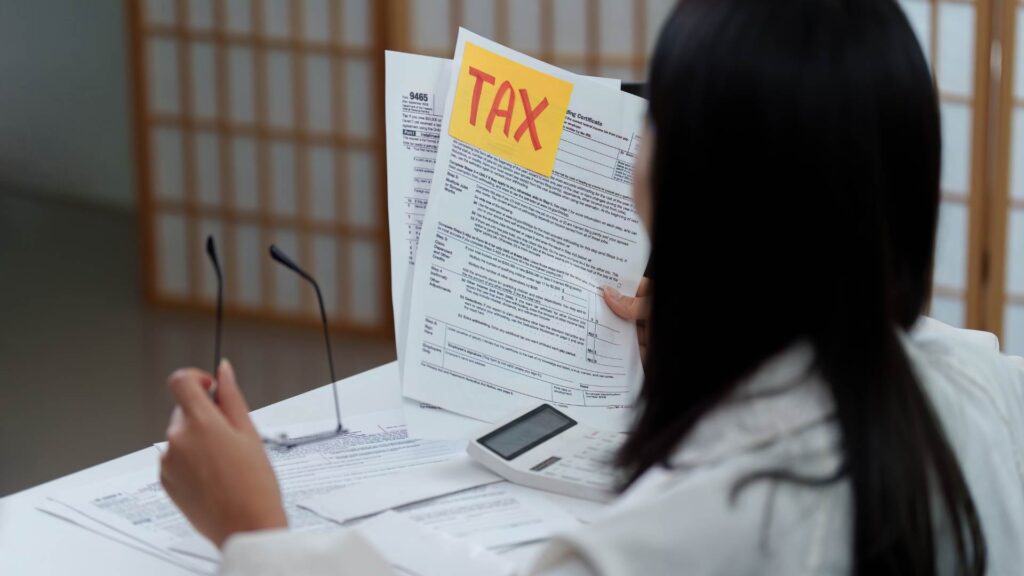
You can pay your Orange County property taxes online or in cash at your local treasurer-tax collector’s office. Orange County’s property tax collector is located in Santa Ana.
8. Factors that Contribute to Changes and Fluctuations in the Property Tax Base
Property taxes are partially based on your property’s assessed value. This assessed value could change because of economic factors affecting fair market value. Factors include the health of the housing market, inflation rate, and interest rates. In general, your property size, age, construction type, and location of nearby school districts can also affect your Orange County property tax rate.


9. What to Do If You Think the Appraised Value of Your House is Too High
If you believe that the assessed tax value of your property is too high, contact the Orange County property tax assessor’s office and request information on how your property’s value was determined. The assessor can tell you whether an informal review or a formal review process would better suit your situation. In an informal or formal review, be sure to collect and present evidence showing that your assessed property tax value does not reflect your actual property value.
10. How to File a Property Tax Appeal in Orange County, CA
A property tax appeal application is a form requesting a change in the assessed value given to your property by the assessor. Your property’s assessed value has the tax rate applied to it, which leads to the amount of tax you will owe. While the appeal only potentially changes the assessed value of a property, since the Orange County, CA, property tax rate remains the same, it can affect the taxes you are required to pay on the property. The property appraiser will assess the property, estimate its value, and list the value on the assessment roll. The appraisal is not exact but is based on relevant factors contributing to the property’s cash value.
Be sure to contact the assessor about the circumstances of your original assessment before filing for an appeal. This helps you understand the assessor’s method in appraising properties. The assessor can also provide informal reviews and possibly make adjustments, so be sure to inquire if that is an option.
Finally, make sure to ask the Orange County tax assessor for filing deadlines that may apply to informal reviews. Appeal applications are available at libraries throughout Orange County, as well as online at the county government website. You can also request the forms by mail by sending a self-addressed, stamped envelope to the clerk of the assessment appeals board.




Real Comments from Real Clients…

Anderson’s asset protection strategies have saved me millions.
Literally, millions.
Gerald C.
Real Estate Investor












ANDERSONADVISORS
Orange County Property Tax Overview
Orange County property taxes are governed by California’s Proposition 13, which sets a standard 1% tax rate based on assessed property value and limits annual increases. This system also includes exemptions for eligible homeowners, defined payment schedules with penalties for late payments, and opportunities to appeal assessments if values appear inaccurate.

Property Tax System in Orange County
Property taxes in Orange County follow California’s Proposition 13, which standardizes how county assessors calculate taxes. Residents generally pay 1% of their property’s assessed value annually, with rules limiting how quickly values can increase.

Assessed Value Rules & Limits
A property’s assessed value is capped at a maximum increase of 2% per year under Proposition 13, unless there are changes like new construction or major renovations that trigger reassessment.

Homeowner Exemptions
Eligible primary homeowners may receive up to a $7,000 exemption from their assessed value. This applies only if the property is owner-occupied and not used as a rental or for another exemption.

Payment Deadlines & Late Fees
Secured property taxes are split into two installments: November 1 and February 1. Late payments result in penalties, including 1.5% monthly charges and up to 10% penalties after key deadlines.

Factors That Affect Property Taxes
Property tax values are influenced by market conditions, school districts, interest rates, inflation, and location. These factors can cause property assessments to change over time or after improvements.

Appeals & Tax Reduction Options
If a property is over-assessed, owners can appeal through the assessor’s office. Providing evidence or hiring an independent appraiser may help reduce tax liability and improve the outcome of the appeal process.
ANDERSONADVISORS
Trusted Advisors. Proven Results. Real Protection.
Anderson Business Advisors services provide the pathway to prosperity with unmatched precision and tailored solutions to meet your unique investment journey.
157K
SATISFIED CLIENTS SERVED
277K
BUSINESS CREATED
$150M
IN CLIENT TAX SAVINGS
$1B
IN ASSETS PROTECTED